
The Millennium Institute for Care Research brought together government officials, academics, and international leaders for a conference highlighting the importance of scientific evidence in strengthening public care policies in Chile.
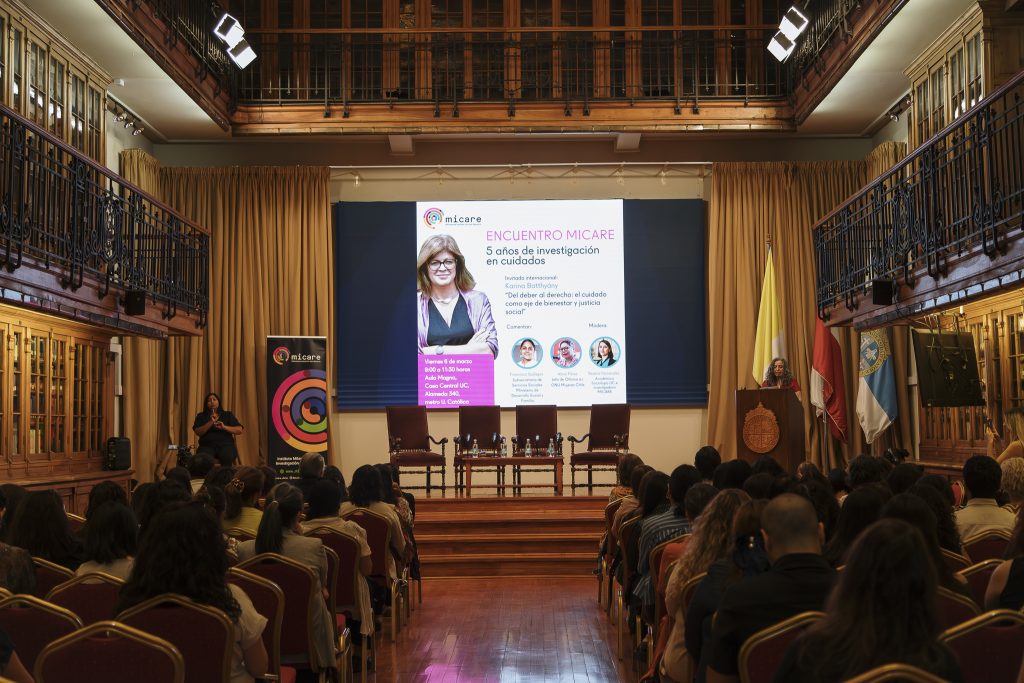
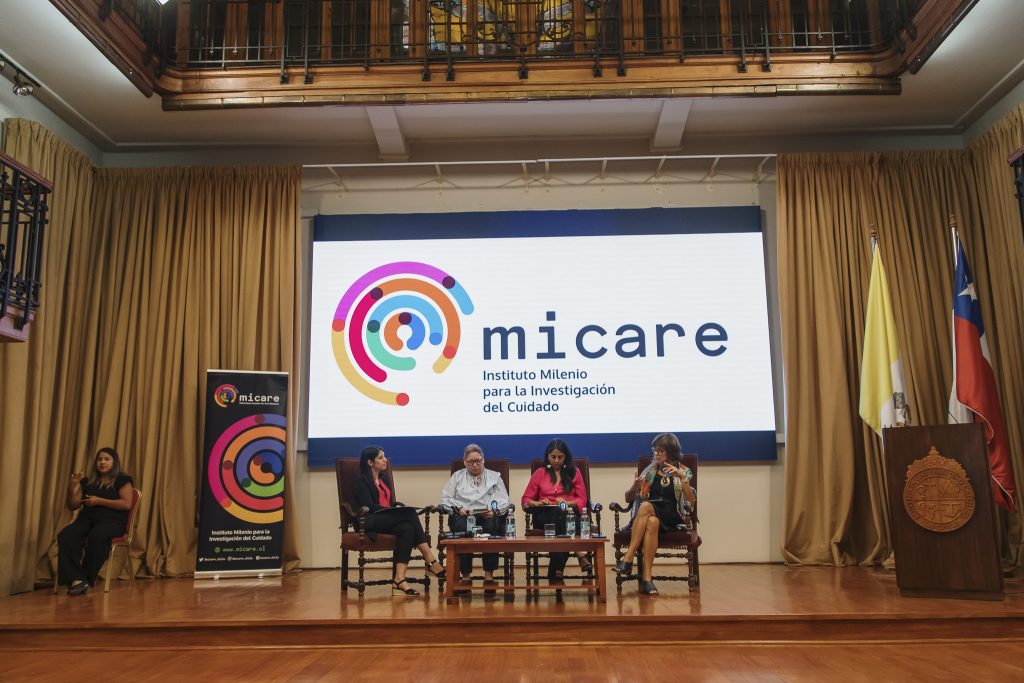
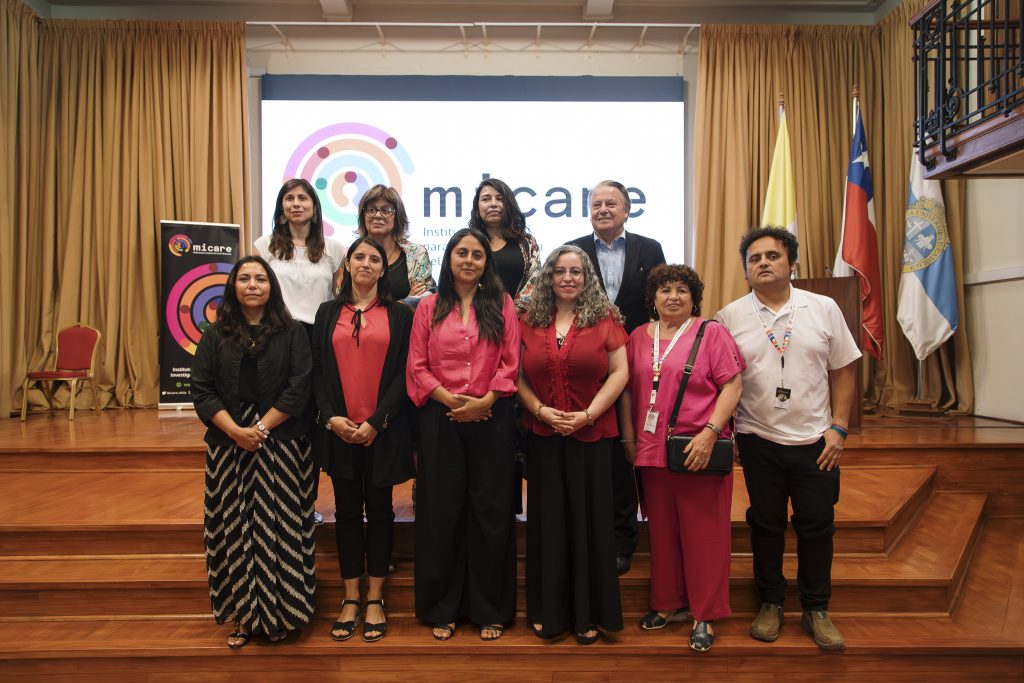
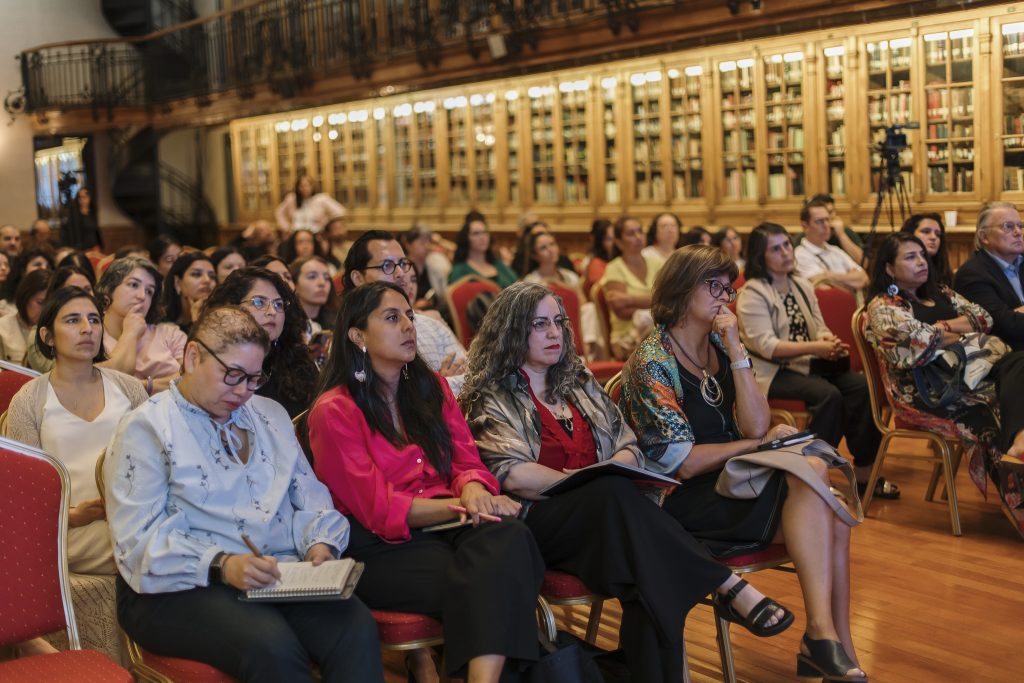
On March 6, MICARE held a conference entitled “Five Years of Care Research,” which brought together government officials, international organizations, universities, and civil society organizations at the Pontifical Catholic University of Chile.
The event marked a milestone for the Institute as it commemorated its fifth anniversary and began a new period of work after its renewal for another five years by the Millennium Science Initiative, consolidating its role as a center of reference in care research in Chile.
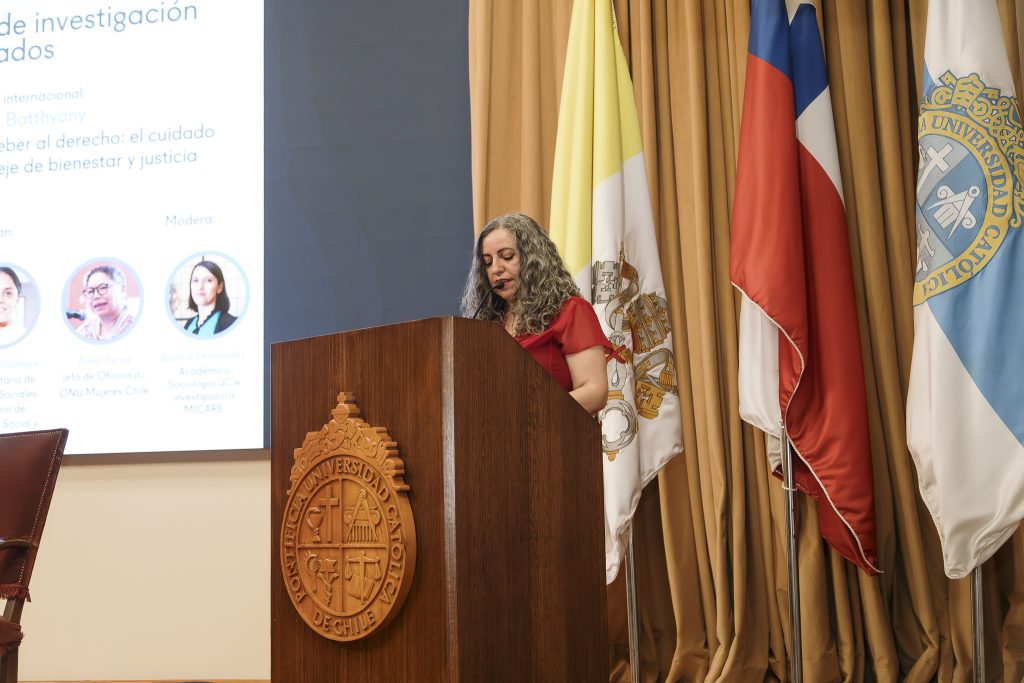
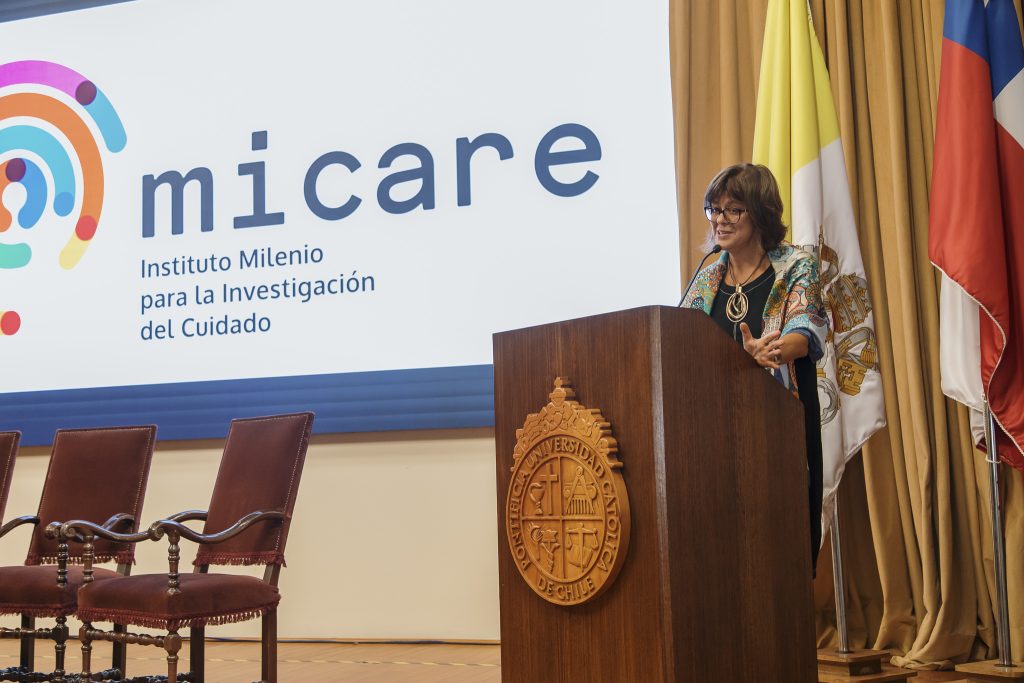
During the opening of the meeting, Claudia Miranda, director of MICARE and professor at School of Nursing at Andrés Bello University (UNAB), highlighted the institute’s consolidation as a scientific community that has placed caregivers, older adults, and people with intellectual and developmental disabilities at its center.
“We are not just a number of publications; we are a human network that has decided that care is an issue worthy of the utmost scientific and ethical commitment,” she said. She also emphasized the public impact of the institute’s work: “When a public policy uses our data to design a program, when an organization relies on our evidence to demand rights, that is when the profound meaning of MICARE’s existence is verified.”
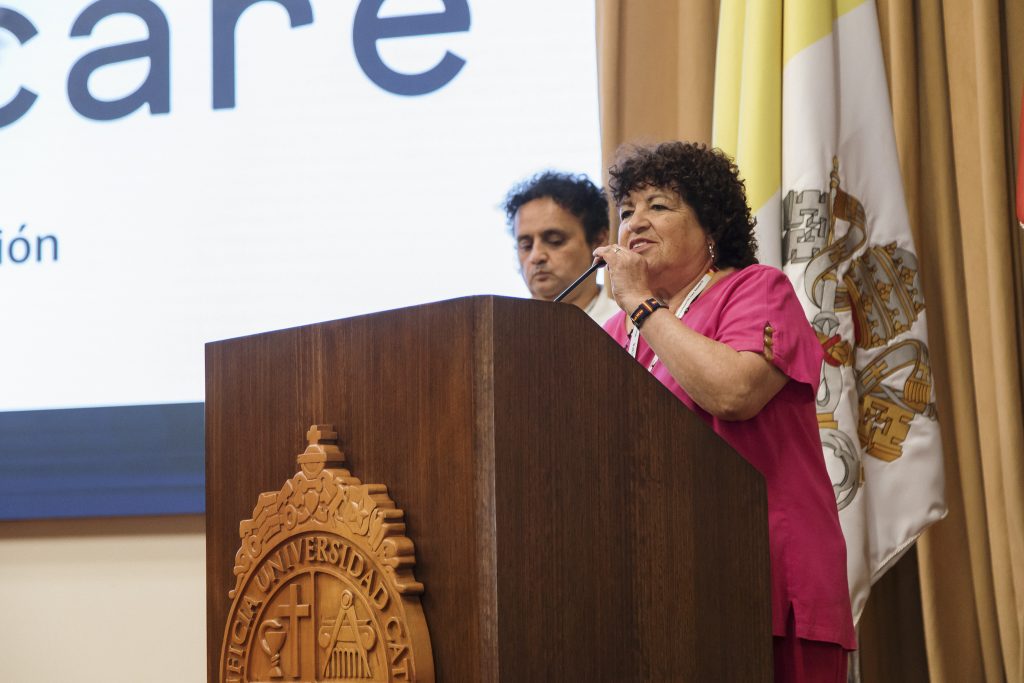
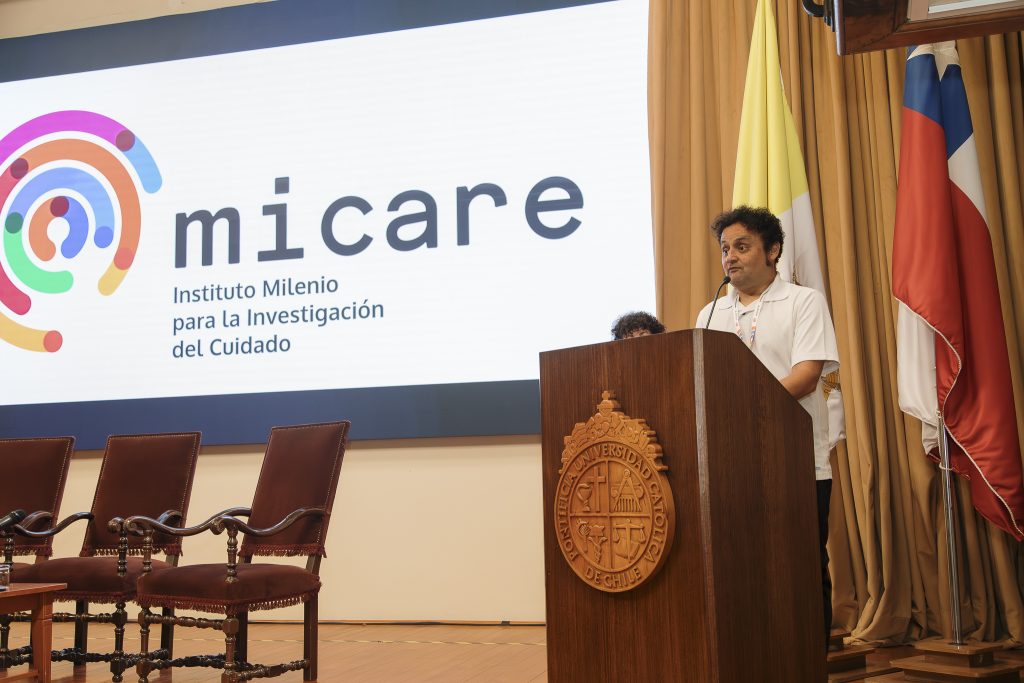
One of the most significant moments of the day was the participation of the MICARE Spokesperson’s Office, a pioneering initiative in Latin America that brings together experts by experience.
Blanca Figueroa participated on behalf of older adults, while Ricardo Pizarro spoke as a spokesperson for people with intellectual and developmental disabilities. Both interventions highlighted the importance of actively incorporating the voices of those who receive and provide care into research processes and public policy design.
Karina Batthyány called for a transformation of the social organization of care
One of the central moments was the keynote address by Uruguayan sociologist Karina Batthyány, a renowned Latin American expert in studies on care, gender, and social inequality.
“The main challenge in Chile and other countries is to change the social organization of care and understand that we must place care at the center, because it is the critical nexus of social and gender inequalities. Today, care continues to be primarily female and unpaid,” she explained.
The researcher emphasized that care must be assumed as a collective responsibility: “We have to resort to collective mechanisms to provide answers, and those mechanisms are called public policies. We need public care policies that allow us to change this unjust social organization.”
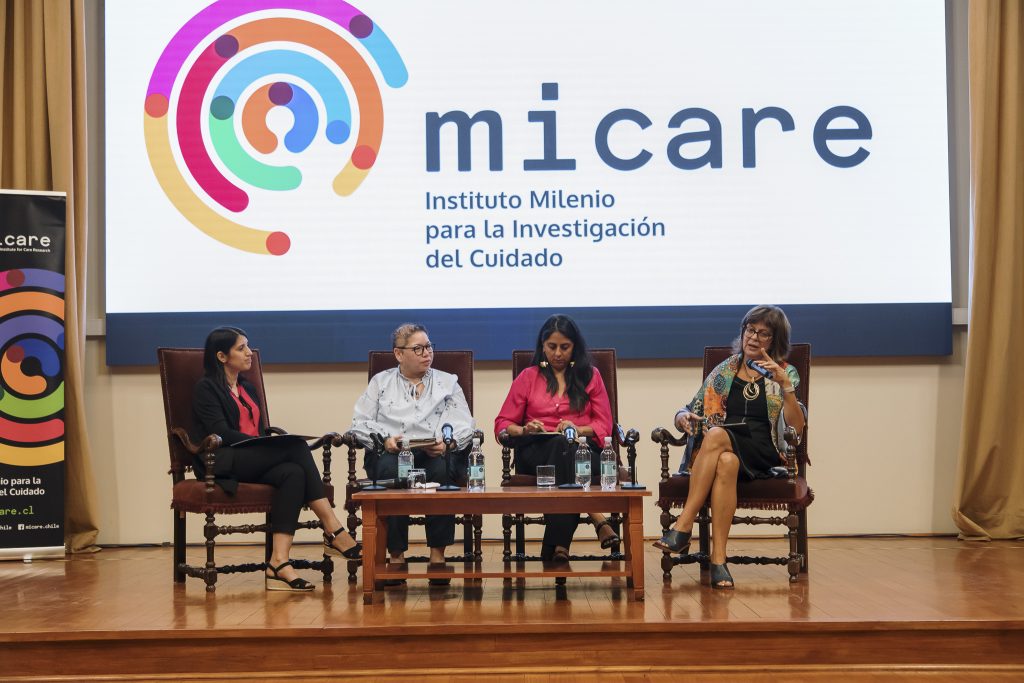
After Batthyány’s keynote speech, a discussion was held with the participation of the Undersecretary of Social Services of the Ministry of Social Development and Family, Francisca Gallegos, who highlighted MICARE’s contribution to strengthening the National Support and Care System.
“I would like to congratulate MICARE on its renewal for another five years. It has been fundamental in helping us lay the foundations for the National Support and Care System and will be key in supporting the implementation processes,“ she said. The official also highlighted the value of research and social engagement: ”The role of academia, its research, and its links with different sectors of society are fundamental for us as a country to be able to take on the challenges posed by the care agenda.”
For her part, Alma Pérez, interim head of the UN Women Chile Office, emphasized that the new institutional framework for care represents a historic opportunity to move toward a more just and co-responsible society. “The Care Law is a fundamental milestone because it recognizes care as a social need and a right for all people. It represents a historic opportunity for Chile,” she said. Pérez emphasized: “The great challenges have to do with achieving effective territorial implementation and strengthening the articulation of the care system with the set of public policies.”
Recognition of institutions that have built this path alongside MICARE
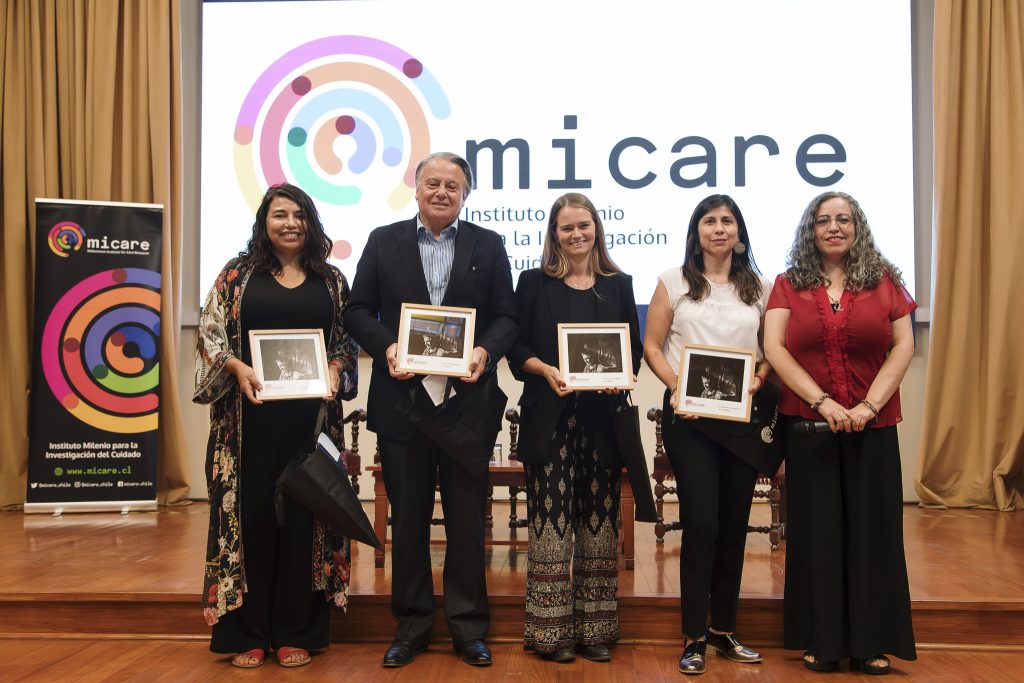
The closing of the meeting was marked by an emotional recognition of institutions that have accompanied the institute since its inception, contributing to strengthening research and its connection with the realities of care in the territories.
The recognized institutions were: This recognition reaffirmed that care is a collective responsibility that requires coordination between the state, civil society, academia, and the private sector.
- Fundación de las Familias (FUNFA), for its commitment to strengthening families and communities. The recognition was received by its executive director, Joseline Carbonell
- Fundación Las Rosas, for its outstanding work in caring for the elderly. The recognition was received by its general manager, Edgardo Fuenzalida.
- COANIL, for its track record in promoting the rights of people with intellectual and developmental disabilities. The award was received by the research manager, Teresita Lira.
- Fondo Esperanza, for its ongoing collaboration with women caregivers and territories. The award was received by the commercial and social manager, Karina Gómez.
During the conference, progress was presented on research carried out by MICARE, including the first national longitudinal study on informal caregivers in Chile.
These studies have shed light on the material, emotional, and working conditions of caregiving, providing key evidence for the design of public policies and support programs.
The meeting closed with a cross-cutting call to strengthen intersectoral coordination in order to move toward a more just, co-responsible, and sustainable social organization of care.