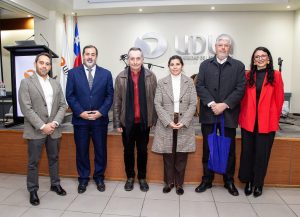
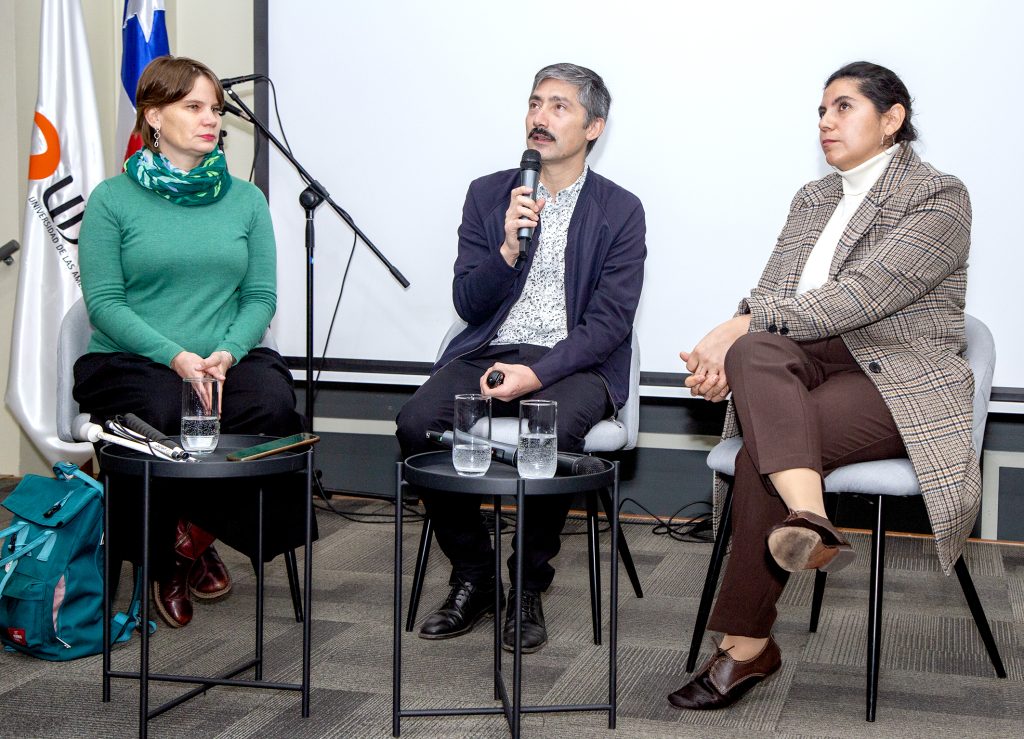
The GENDISC 2026 initiative, led by Pía Rodríguez—a young researcher at MICARE, an associate researcher at DISCA, and a faculty member at UDLA—seeks to gather the experiences of women with disabilities to generate evidence on a little-studied issue that affects their sexual and reproductive rights.
Gynecological and obstetric violence is a reality that has historically remained invisible, especially when it affects women with disabilities. With the aim of generating unprecedented evidence on this issue, GENDISC 2026, the First National Survey on Gynecological and Obstetric Violence Against Women with Disabilities in Chile, was launched.
The initiative is led by Pía Rodríguez, a young researcher at MICARE, an academic at the University of Las Américas, and an adjunct researcher at the Millennium Research Unit on Disability and Citizenship (DISCA). The study seeks to understand the experiences of women with disabilities regarding their access to gynecological, obstetric, and sexual and reproductive health care.
For MICARE, this research is particularly relevant because it highlights a central question for the field of care: what happens when practices that are supposed to protect and support end up causing harm, exclusion, or rights violations?
Previous research led by Rodríguez has shown that women with disabilities face multiple barriers in sexual and reproductive health services, including mistreatment, misinformation, interventions without consent, and forms of institutional violence that are often normalized as part of care. These experiences affect their physical, emotional, and mental well-being, in addition to limiting the exercise of their rights.
The GENDISC 2026 survey aims to expand the available knowledge on this reality at the national level and provide evidence to advance toward health systems that are more inclusive, accessible, and respectful of the autonomy of women with disabilities.
Through MICARE, this research helps us understand how gender and disability inequalities impact healthcare experiences and access to care, strengthening the generation of knowledge aimed at promoting fairer and more dignified practices for all people.
About the Survey
You can access the survey at the following link: http://es.surveymonkey.com/r/GENDISC.
The survey is aimed at people living in Chile who are of legal age and identify as women with disabilities. Participants can choose to complete the survey online on their own, request support via video call, or have a member of the research team provide in-person assistance, by prior arrangement.
About the Launch
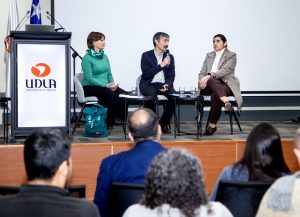
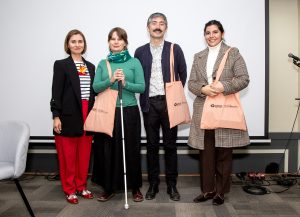
Participants at the launch included Iván Espinoza, Regional Director of Senadis; Florencia Herrera, director of the Milenio DISCA Center; and Richard Quinteros, representing the group Leaders with a Thousand Abilities. Representing UDLA were Maricela Pino, Director of the School of Obstetrics and Childcare, and Osvaldo Artaza, Dean of the Faculty of Health and Social Sciences, who offered some reflective remarks on the event.
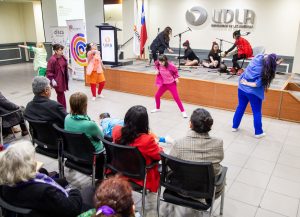
The event concluded with a performance of an excerpt from the play “Todo lo encontré en ese latido” by the Mawen Foundation, directed by Víctor Romero Rojas.
Source: UDLA Communications and DISCA Center
Photo: UDLA