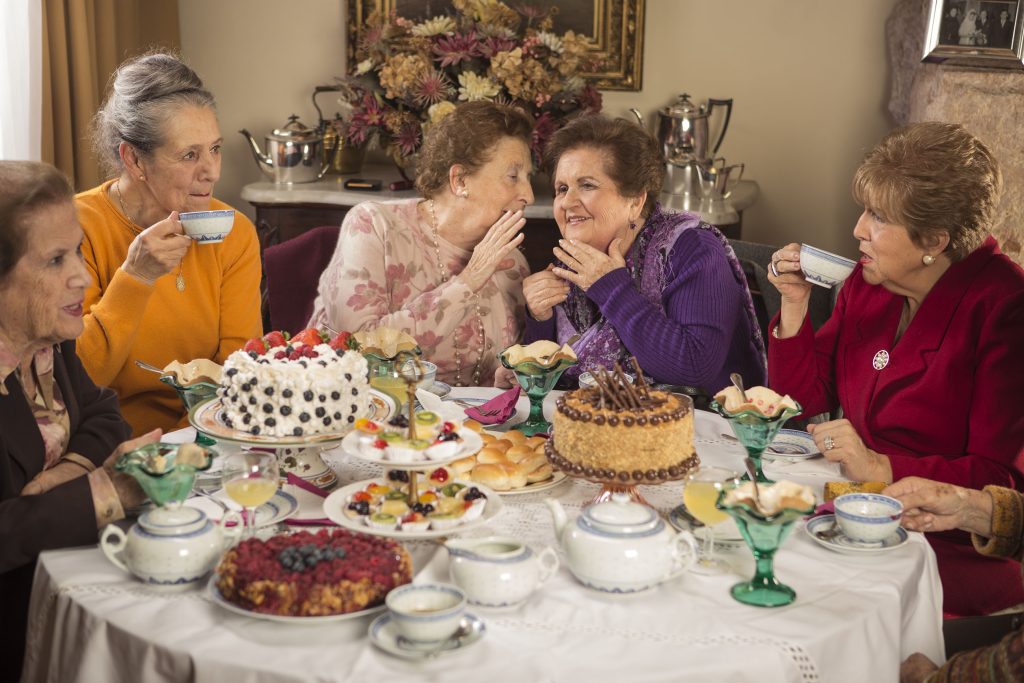
This study proposes a sociostructural and relational approach to understanding how friendships in old age are formed, transformed, and interpreted, taking into account both those built over the course of a lifetime and those that emerge in settings of social participation.
Its objective is to describe and analyze these relationships, considering life trajectories, social participation, and their implications for well-being and support networks. In particular, it seeks to characterize friendship trajectories, identify factors that influence them, and assess the impact of social participation and friendships on older adults’ well-being.
Methodologically, a sequential mixed-methods design is proposed. The qualitative phase includes biographical interviews with 30–40 older adults and focus groups to explore the meaning of friendship and its evolution. Subsequently, a longitudinal panel-type quantitative phase will be conducted to analyze these effects over time.
The study posits that friendships in old age vary according to their origin, duration, and intensity, and that they are influenced by individual, social, and cultural factors. Furthermore, it is expected that they will have a greater impact on the well-being of those with weaker family networks, and that social participation will have a positive indirect influence through the formation of new friendships and support networks.
As a result, the study aims to develop a typology of friendships in old age, generate evidence on their impact on well-being, and provide recommendations for public policies that promote social participation and supportive relationships, while also contributing to theoretical development in this field.
The principal investigator of this Fondecyt Regular 1261146 is María Soledad Herrera. The co-investigators are María Beatriz Fernández, Sara Caro, and Lorena Gallardo.